Blog Assignment 03

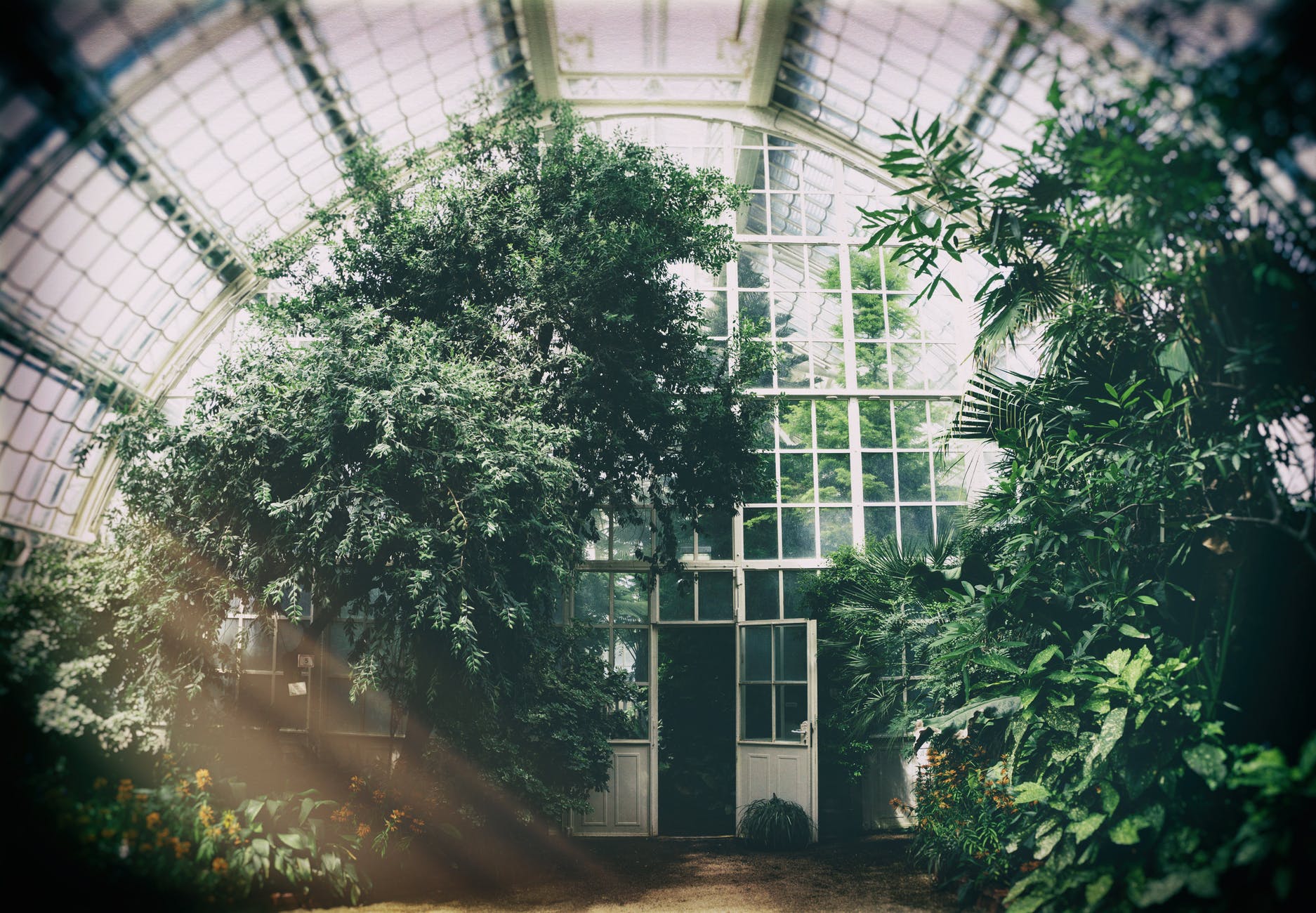
Module three covers both heating systems and steam tables, and their important role in greenhouse development.

A steam table is a display of the relationship between heat quantity, temperature, and pressure. Steam is transferred from a hot water boiler to any location in the greenhouse where plants need to be humidified. The energy required to steam water, known as heat of vaporization, is maintained at a certain temperature to avoid overheating or cooling. The pressure required to create a heat transfer, creates heat in the ventilating pipes. 

Visual of steam energy
Photo by Rafael Guajardo

Once all of the latent heat has been emitted, it is important to control condensation. Condensation is an inevitable result of heating systems and should be collected to be reused in the water boiler. If there is a build up of condensation, the high pressure steam projected at increased speeds will cause the condensation to move around and ultimately damage the heating system. Additionally, there are different water hammers which result in excessive condensation content such as “thermal shock”. Thermal shock is when the ratio of condensation to steam is thrown off and causes a shock wave through the heating system causing damage to the materials.

Another factor to look out for when managing heating systems, is outside air or gas being emitted into the steaming system. There is a normal content of non condensable gas in the exchange system, but when too much builds up without being filtered out there is the potential of stopping the steam altogether. There should be traps installed to remove both excessive condensation and unwanted non-condensables.  

When designing a heating system, the goal is to increase photosynthesis while decreasing respiration. This should be adequate in increasing profits without additional energy or labor outputs. Factors that should be considered when choosing a heating system are the insulation values, the total surface area of the greenhouse, the outside vs. inside temperature difference, radiation intake, and the infiltration. Energy conservation plays an important role in greenhouse production, a cost-effective and common technique is the instillation of an energy blanket made out of flexible fibers. It is significantly effective in reducing energy consumption. 
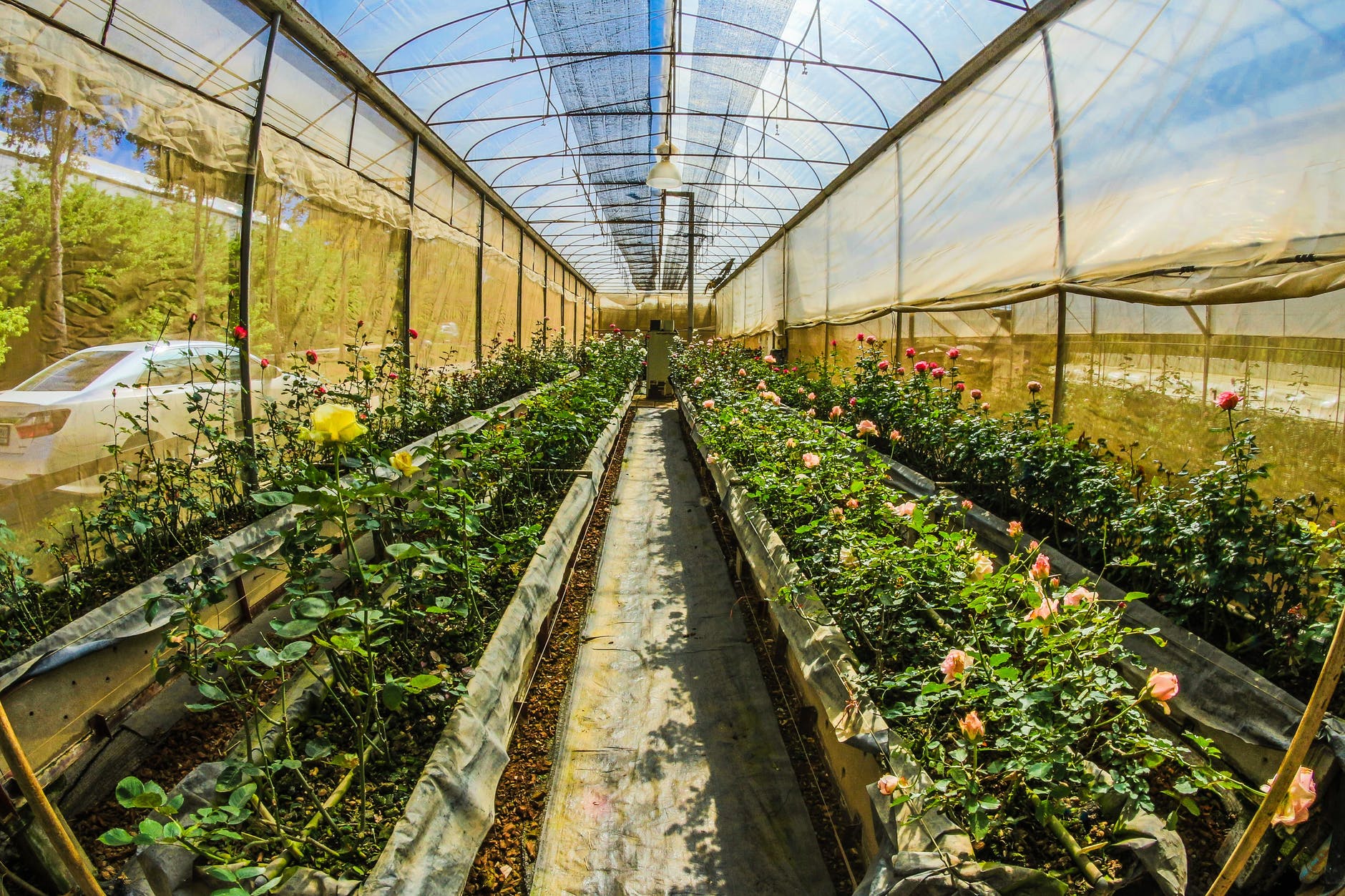
Photo by icon0.com

There are a few heating systems mentioned, amongst those are the hot air system, hot water pipe, bottom heating systems, and radiant heating systems. A hot air system is a propane or natural gas fueled unit heater with components of fresh air. Outside air is added for combustion and distribution of heat occurs through forced air being projected via an electrical convection fan. A hot water pipe is an arrangement of pipes carrying warm water and heat energy from a water boiler to different zones of the greenhouse. Bottom heating systems come a few different variations such root zone heating, concrete heating, and top or bottom bench heating. Floor heating allows stored energy to be contained in the floor and can be controlled by using cooling agents and keeping base temperatures so the crops are not heat damaged. Lastly, there is radiant heating which involves combusting natural gas, at high temperatures, through metal tubes that run throughout the greenhouse structure. The metal tube utilizes infrared radiation which allows for heat without warming all of the above air.

Blog Assignment 02

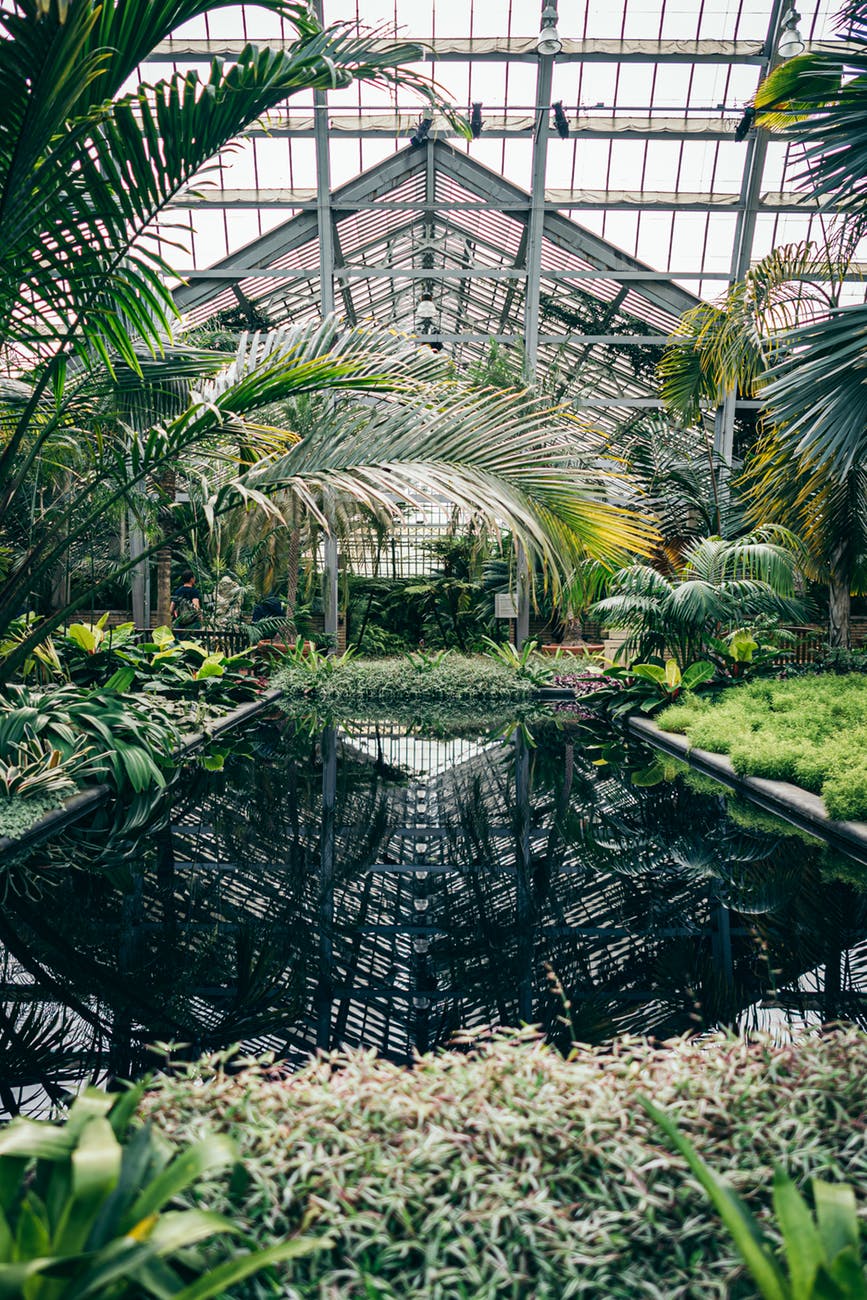
Module two focuses on Greenhouse covering systems and the varying types of materials that can be utilized for different purposes. In order to achieve the controlled environment, one must have appropriate roofing systems. Coverings can influence the production value of the crop being cultivated, since different roofing determines the intensity and direction of solar radiation. Some greenhouse designers even decide to abandon the idea of full coverage and rather just add a shading system in place of a solid roof structure. 

Photo by Ricardo Esquivel on Pexels.com

The goal of a greenhouse is to provide a controlled environment that generates high quality crops while remaining both cost-effective and productive. A greenhouse is designed around the crops that are being cultivated. Every aspect that goes into design, from irrigation and temperature to roofing and flooring, is based on the environmental conditions that the crop requires to thrive, regardless of outside conditions.

Plastic is used in many greenhouses since it is a cheap, simple material which can enclose a greenhouse in more than just one way. One of the most popular plastic film coverings would be polyethylene or PE film. The quality and lifespan of PE has significantly improved since the 1960’s and maximized in the 80’s. The physical, chemical properties of this material can be affected by different pesticides used in crop production. Radiation intensity and excess chemicals are the two major factors that will determine the lifespan, thus the cost efficiency, of the PE film.

Since greenhouses essentially trap solar radiation into their structure, they create a lot of heat, otherwise known as the greenhouse effect. This is okay as long as precautions are taken by installing cooling systems, in order to maintain favorable growing conditions for the crops.  Heat loss and gain is directly correlated to the physical aspects of the covering materials. There are factors to watch for, such as condensation and infiltration. Infiltration is an indication that there are openings in the greenhouse which results in an energy loss. Condensation can be a problem since there is a formation of water droplets, which can over moisturize the produce. 

Photo by Pixabay on Pexels.com

Open-roof structures allow a way to invite outside environmental factors into the greenhouse, while still maintaining control of the majority of the conditions that affect the produce development. This allows a combination of both of the great things that come with greenhouse-only and outdoor-only growth. For example, while a roofed greenhouse protects the plants from all winds, harmful or not, a open-roofed greenhouse allows the plants to be exposed to natural winds. This strengthens the plants stems during development while still avoiding the harsh conditions that a plant would be exposed to in outdoor-only growth. The open-roof also allows the grower to determine when to expose the crops to natural sunlight, depending on the intensity of the radiation.  A type of open-roofing system, is a retractable roof, which was developed in the 90’s. This allows the plant to be exposed to natural conditions and strengthen their immunity to diseases and insects, while also remaining in an easily controllable environment. Lastly, open-roofed structures reduce labor costs since there is less crop-handling because the crops are exposed to both outdoor and indoor conditions. 

Photo by Philipp Deus on Pexels.com

Blog Assignment 01

The articles from module one discuss the economics,  environmental health, and the dynamics of a greenhouse.

These articles are relevant to Greenhouse Management because it shows a variation of studies which favor the production of goods via a greenhouse. They also demonstrate how greenhouses are essential globally and the importance of greenhouse yields for trade. Greenhouses maintain seasonality so one can grow products annually without complications, since weather and climate are major factors in all types of production. These articles also discuss how greenhouse yields can affect the economics of an area and how much production volume causes variation in market values. Additionally, they solidify the importance of growth during different seasons for varying purposes such as holidays, traditions, and day-to-day uses. Essentially, the better one manages their greenhouse, the more likely they are to benefit from the yield. 

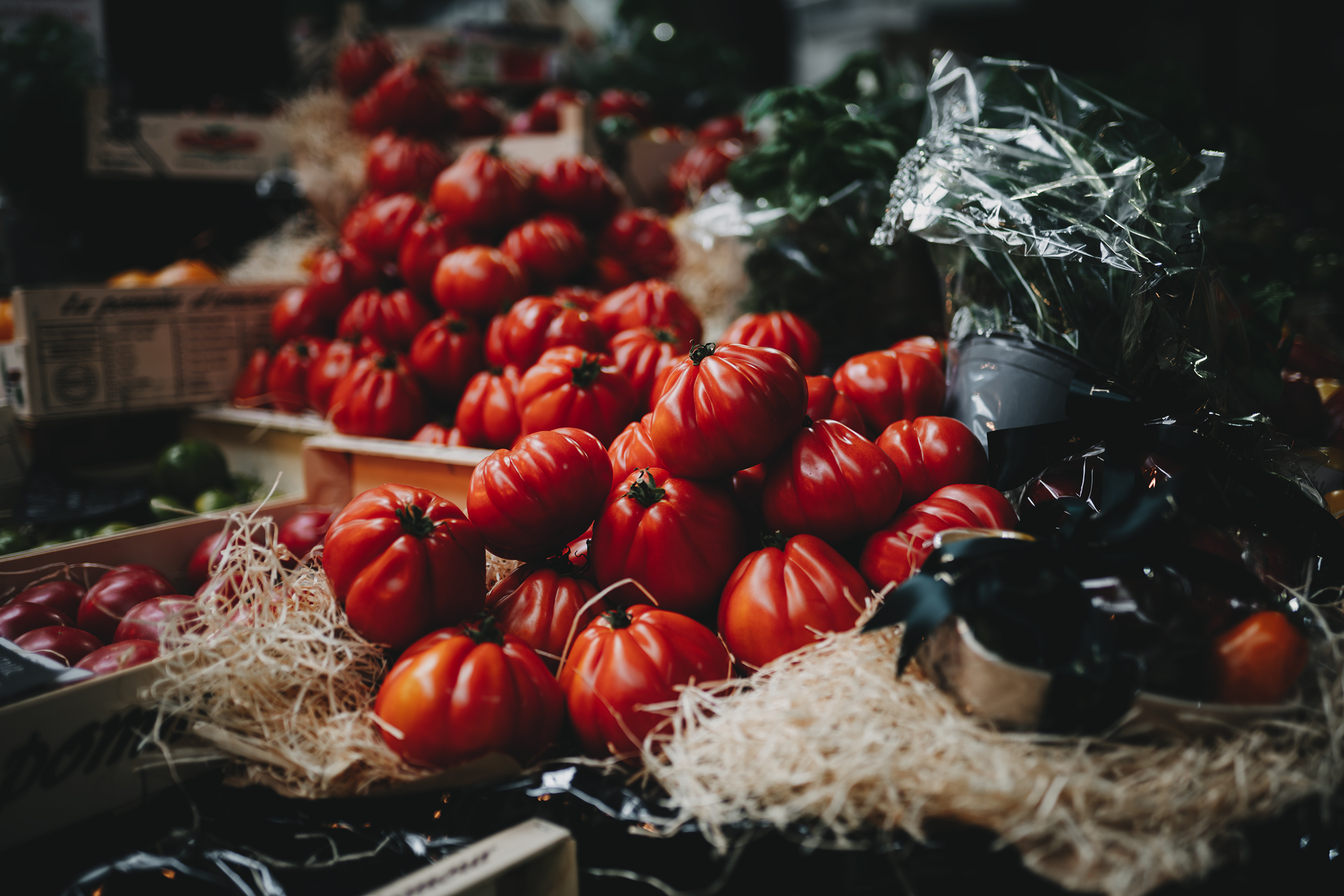
In terms of  tomato production the top ranking producers are between Canada, Mexico, and the United States. North America essentially dominates tomato manufacturing with Canada being number one. Mexico has the greatest number of tomato based greenhouses yet produces the lowest yield comparatively to Canada and the States since they are not as technologically advanced, nor do they have as many resources as the other two countries. The main advancement of Mexico is it’s consistent climate. Analyzing the price and consumption trend of tomatoes over this extended period has shown the role that horticulture plays in the economics of an area.

The success of a horticultural industry is highly dependent on things such as the quantity of the product within that area, the income of the individuals, and the traditions in which that region practices. For example, purchasing floricultural products is primarily relevant to those who have discretionary income, which is secondary to the income that one spends on essentials. Europe leads in floriculture purchases, with Japan and the United States following closely behind. Florida dominates the production of houseplants within the United States, they are at an advantage since they have many acres used for greenhouse production and favorable climates. 

Europe and Japan lead in the top two since fresh flowers are a major part of tradition in their home lives, as well as they have the appropriate income and climate for growth. The United States uses flora in many holiday traditions as well such as using fresh flower arrangements for holiday centerpieces, wreaths to hang during fall and winter, and the display of many bright colors that reflect the colors of the holiday as decor. 

Borough Market, London. 2019.
MaxBeePhotography

To grow any product one needs to calculate the price and distance of resources, the costs of labor, and the environmental conditions of the area in order to achieve the greatest yield. The seller needs to pay attention to customer service and preference as well, since the better the quality and presentation of the flora helps to determine which products get sold or not. A way to show the beauty of flowers, that many practice, is displaying an arrangement of color and textures in their greenhouses. Another way to increase sales, is designing flower arrangements for customers to enjoy and purchase. 

An important aspect of greenhouse production is using energy-saving tools. There are consultants which can perform audits on one’s greenhouse in order to identify ways to save energy and costs. Also, there are many different websites one can use, such as energy calculators or virtual grower designers, which can help to identify the efficiency of the energy used in the greenhouse. Additionally, it is important to determine the actual benefit of tools before purchase and if the cost spent will result in an equal or greater payback.

Design a site like this with WordPress.com
Get started