Module thirteen reviews the concept of greenhouse pests and insect management. These articles give examples of many different types of pests such as whitefly, spider mites, mealybugs, thrips, aphids, and gnats and the methods of sanitation to eliminate them. Methods of sanitation control are syringing, cultural change, handpicking, trapping, basic sanitation, and biological control factors.
Syringing plants is just a periodically plant cleanse through a water jet stream. Cultural changes include controlling moisture levels, so fungus does not grow, and making sure conditions are not too hot nor too dry so mites do not develop. Handpicking is just the physical removal of larger insects and pests, or the use of handheld vacuums to remove whiteflies. Trapping is the placement of either bright yellow or blue traps, which consist of a sticky material pad covered in a petroleum jelly, that attract insects. Sanitation is the removal of any infected or decaying plant material from the greenhouse to avoid attracting pests. Lastly, biological factors involve the use of natural predators or parasites that kill and eat the pests that are affecting the plants. However, biological controls are the most complicated source of pest control.
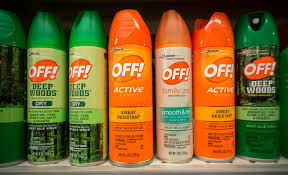
There is also the use of alcohol, insecticidal soaps, horticultural oils, neem, and other insecticides which help maintain pest control. Alcohol controls mealybug infestations. Insecticidal soap, commonly used in the form of hand soap and dishwashing soap, helps with spider mite removal. The oils control whitefly, mites, and bugs by smothering them. Neem is a plant which contains a form of insecticide, the seed contains an oil that is extracted and used. Other insecticides can be absorbed by a plant causing an induced natural pest control.
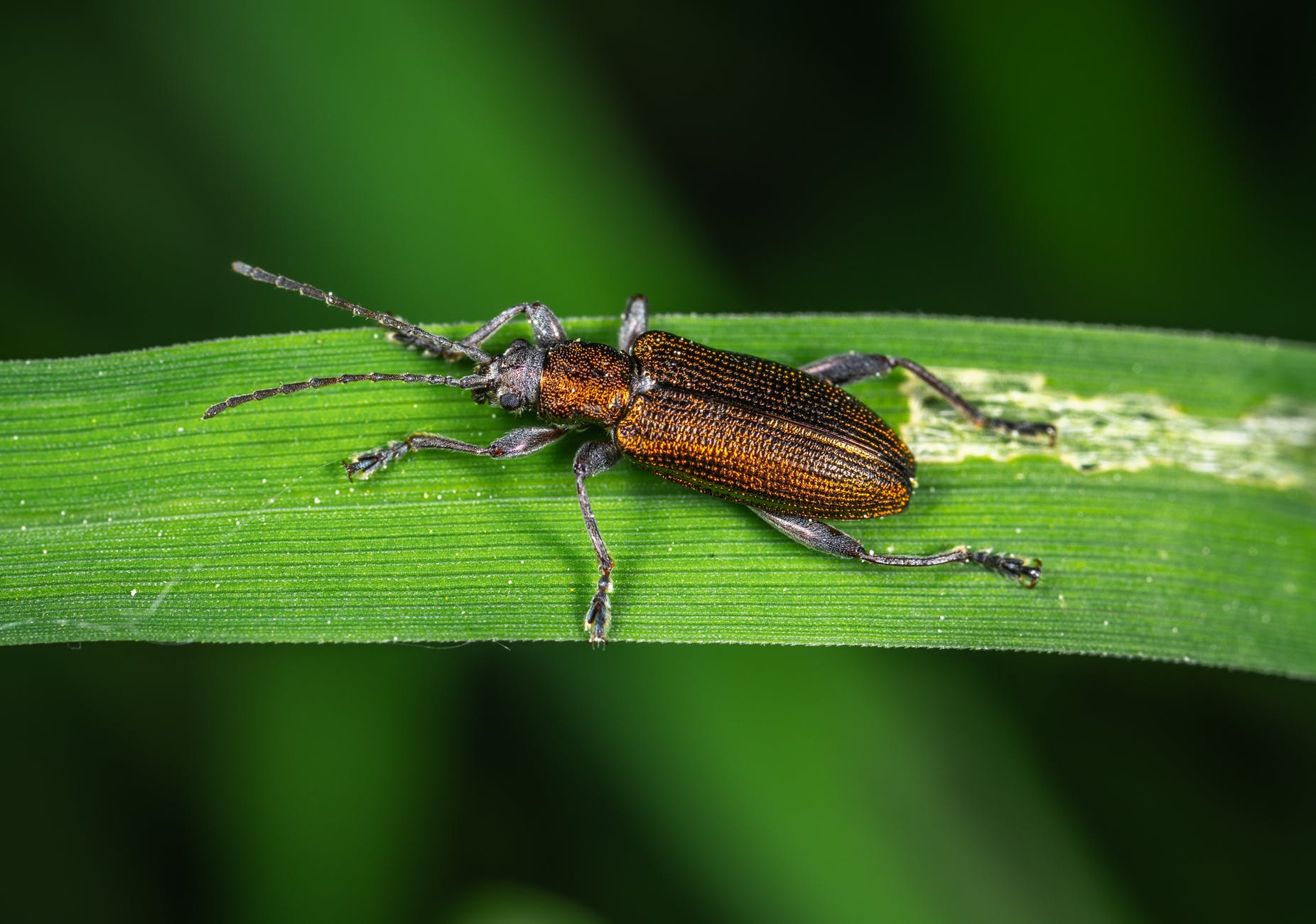
Whitefly, a white colored gnat-like insect coated in wax, is common in some species of both houseplants and vegetables. They reproduce on the underside of leaves, favor warmer conditions, and suck the nectar from the plant to steal nutrients. Yellow sticky tape or insecticides are effective for their removal. Spider mites, a common greenhouse infestation, create white speckled inflictions on plants by extracting sap from the underside of leaf veins. Increasing humidity and complete removal of the plant, since mites reproduce rapidly, are the most efficient ways to sanitize spider mites.
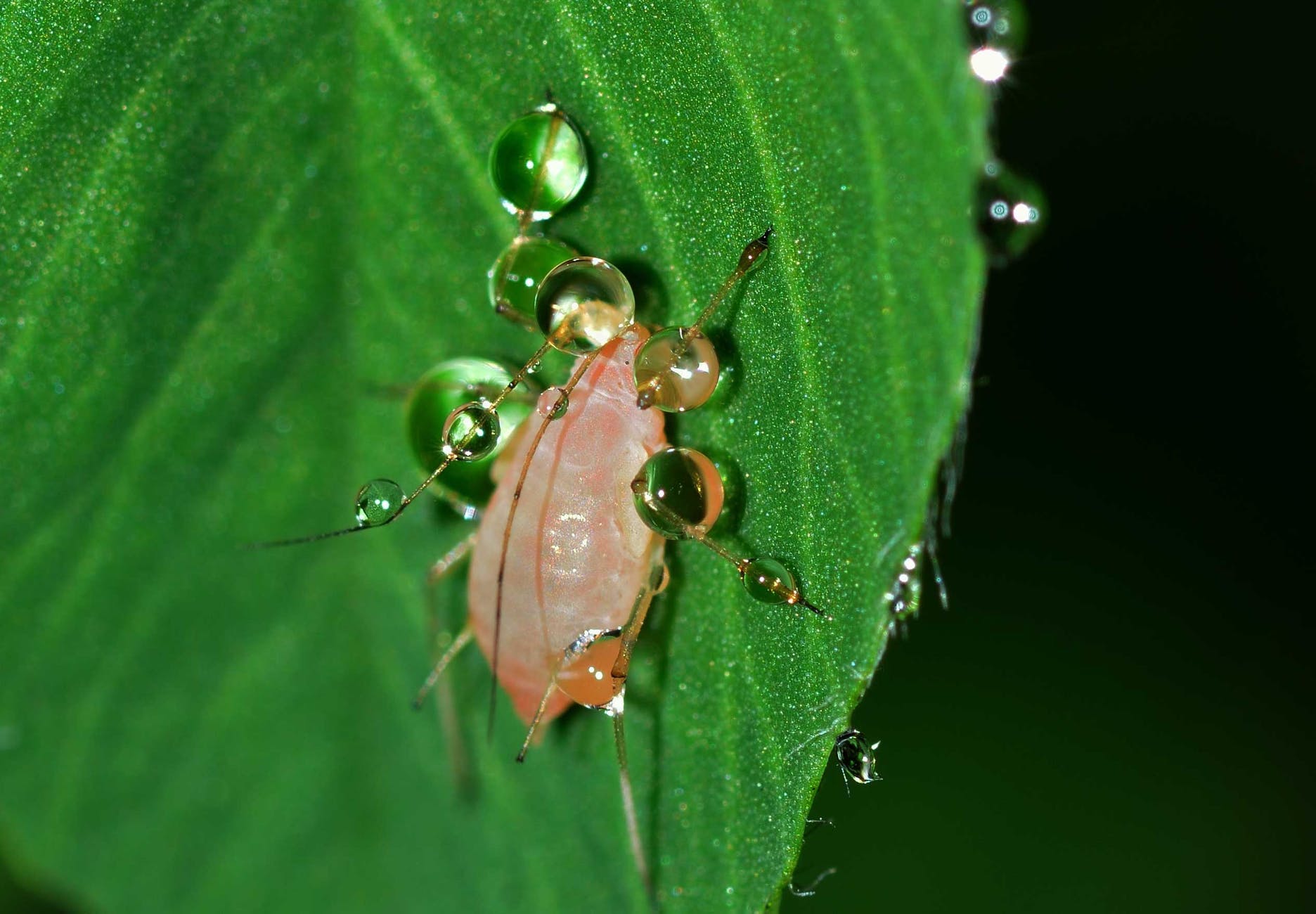
Mealybugs usually suck sap from plants through the root zone, causing the leaves to weaken and fall. Alcohol or soap can be efficient in removing mealybugs. Thrips, small and slender brown insects, create silver spots around the feeding sites and brown spots of feces around the plant. A combination of sanitation methods is necessary to remove thrips from a greenhouse. Aphids cause plant deformities by consuming organic sap, they are best removed via water cleaning or the application of insecticides. Lastly, gnats do not cause a lot of damage but are an irritancy within the greenhouse, typically in the colder seasons. The infestation of fungus gnats can be avoided by replacing and rotating soil often, as well as lightly watering, since they host on decaying organic material. Some of the gnats are also attracted to yellow sticky tape.
 Site Title