Module two focuses on Greenhouse covering systems and the varying types of materials that can be utilized for different purposes. In order to achieve the controlled environment, one must have appropriate roofing systems. Coverings can influence the production value of the crop being cultivated, since different roofing determines the intensity and direction of solar radiation. Some greenhouse designers even decide to abandon the idea of full coverage and rather just add a shading system in place of a solid roof structure.
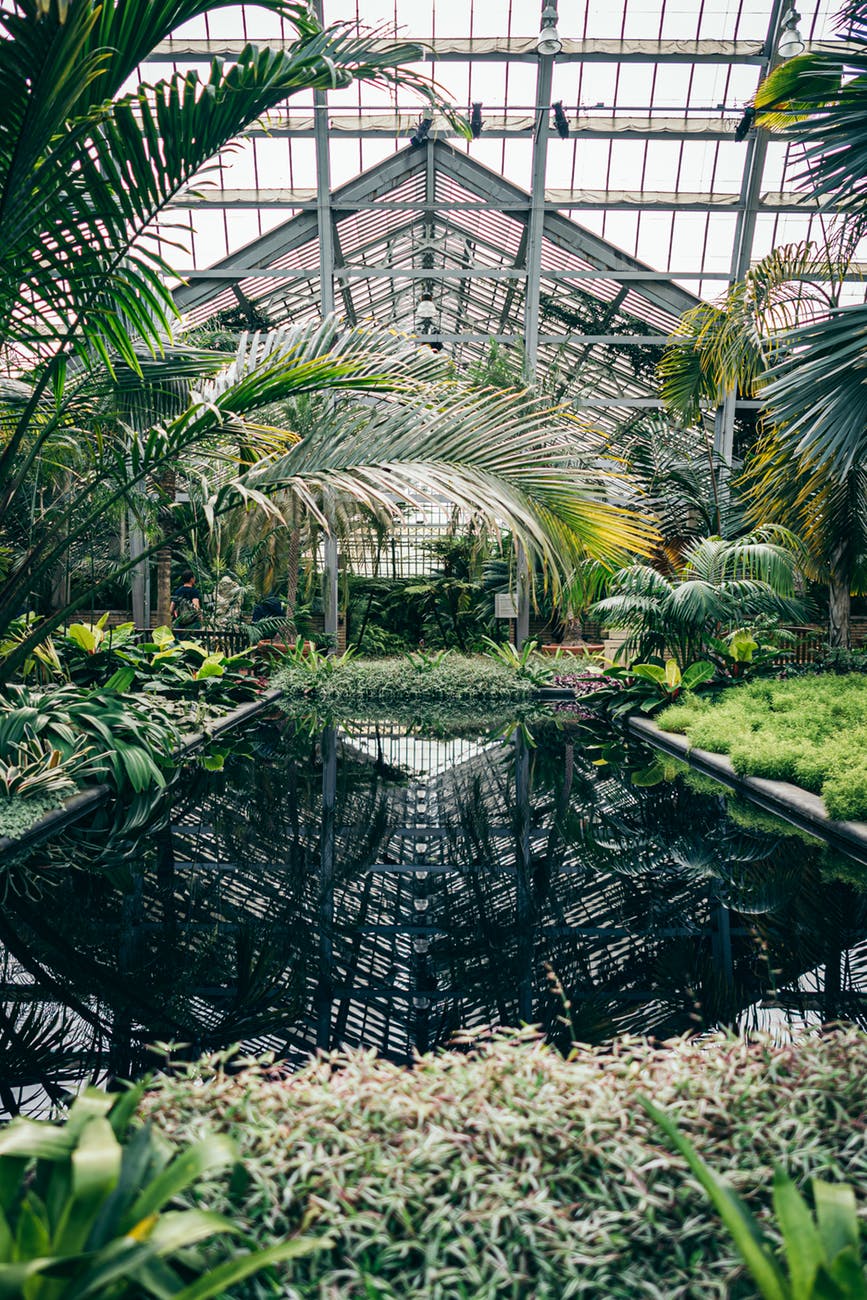
The goal of a greenhouse is to provide a controlled environment that generates high quality crops while remaining both cost-effective and productive. A greenhouse is designed around the crops that are being cultivated. Every aspect that goes into design, from irrigation and temperature to roofing and flooring, is based on the environmental conditions that the crop requires to thrive, regardless of outside conditions.
Plastic is used in many greenhouses since it is a cheap, simple material which can enclose a greenhouse in more than just one way. One of the most popular plastic film coverings would be polyethylene or PE film. The quality and lifespan of PE has significantly improved since the 1960’s and maximized in the 80’s. The physical, chemical properties of this material can be affected by different pesticides used in crop production. Radiation intensity and excess chemicals are the two major factors that will determine the lifespan, thus the cost efficiency, of the PE film.
Since greenhouses essentially trap solar radiation into their structure, they create a lot of heat, otherwise known as the greenhouse effect. This is okay as long as precautions are taken by installing cooling systems, in order to maintain favorable growing conditions for the crops. Heat loss and gain is directly correlated to the physical aspects of the covering materials. There are factors to watch for, such as condensation and infiltration. Infiltration is an indication that there are openings in the greenhouse which results in an energy loss. Condensation can be a problem since there is a formation of water droplets, which can over moisturize the produce.
Open-roof structures allow a way to invite outside environmental factors into the greenhouse, while still maintaining control of the majority of the conditions that affect the produce development. This allows a combination of both of the great things that come with greenhouse-only and outdoor-only growth. For example, while a roofed greenhouse protects the plants from all winds, harmful or not, a open-roofed greenhouse allows the plants to be exposed to natural winds. This strengthens the plants stems during development while still avoiding the harsh conditions that a plant would be exposed to in outdoor-only growth. The open-roof also allows the grower to determine when to expose the crops to natural sunlight, depending on the intensity of the radiation. A type of open-roofing system, is a retractable roof, which was developed in the 90’s. This allows the plant to be exposed to natural conditions and strengthen their immunity to diseases and insects, while also remaining in an easily controllable environment. Lastly, open-roofed structures reduce labor costs since there is less crop-handling because the crops are exposed to both outdoor and indoor conditions.
 Site Title