The articles from module one discuss the economics, environmental health, and the dynamics of a greenhouse.
These articles are relevant to Greenhouse Management because it shows a variation of studies which favor the production of goods via a greenhouse. They also demonstrate how greenhouses are essential globally and the importance of greenhouse yields for trade. Greenhouses maintain seasonality so one can grow products annually without complications, since weather and climate are major factors in all types of production. These articles also discuss how greenhouse yields can affect the economics of an area and how much production volume causes variation in market values. Additionally, they solidify the importance of growth during different seasons for varying purposes such as holidays, traditions, and day-to-day uses. Essentially, the better one manages their greenhouse, the more likely they are to benefit from the yield.
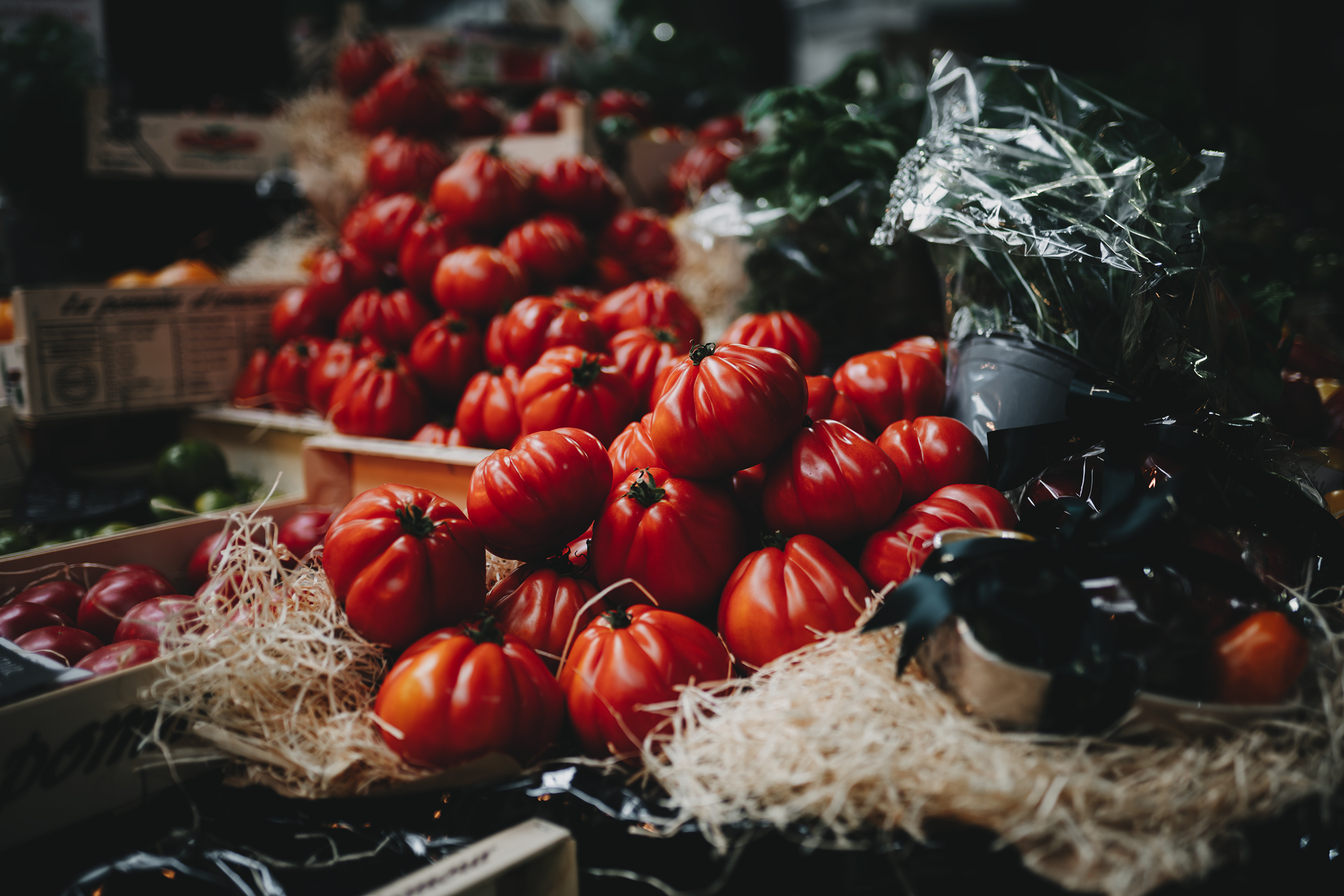
In terms of tomato production the top ranking producers are between Canada, Mexico, and the United States. North America essentially dominates tomato manufacturing with Canada being number one. Mexico has the greatest number of tomato based greenhouses yet produces the lowest yield comparatively to Canada and the States since they are not as technologically advanced, nor do they have as many resources as the other two countries. The main advancement of Mexico is it’s consistent climate. Analyzing the price and consumption trend of tomatoes over this extended period has shown the role that horticulture plays in the economics of an area.

Mushroom Display. Borough Market, London. 2019.
MaxBeePhotography
The success of a horticultural industry is highly dependent on things such as the quantity of the product within that area, the income of the individuals, and the traditions in which that region practices. For example, purchasing floricultural products is primarily relevant to those who have discretionary income, which is secondary to the income that one spends on essentials. Europe leads in floriculture purchases, with Japan and the United States following closely behind. Florida dominates the production of houseplants within the United States, they are at an advantage since they have many acres used for greenhouse production and favorable climates.
Europe and Japan lead in the top two since fresh flowers are a major part of tradition in their home lives, as well as they have the appropriate income and climate for growth. The United States uses flora in many holiday traditions as well such as using fresh flower arrangements for holiday centerpieces, wreaths to hang during fall and winter, and the display of many bright colors that reflect the colors of the holiday as decor.
MaxBeePhotography
To grow any product one needs to calculate the price and distance of resources, the costs of labor, and the environmental conditions of the area in order to achieve the greatest yield. The seller needs to pay attention to customer service and preference as well, since the better the quality and presentation of the flora helps to determine which products get sold or not. A way to show the beauty of flowers, that many practice, is displaying an arrangement of color and textures in their greenhouses. Another way to increase sales, is designing flower arrangements for customers to enjoy and purchase.
An important aspect of greenhouse production is using energy-saving tools. There are consultants which can perform audits on one’s greenhouse in order to identify ways to save energy and costs. Also, there are many different websites one can use, such as energy calculators or virtual grower designers, which can help to identify the efficiency of the energy used in the greenhouse. Additionally, it is important to determine the actual benefit of tools before purchase and if the cost spent will result in an equal or greater payback.
 Site Title